How to Maintain and Clean Your Atta Chakki – Step-by-Step Cleaning Guide at Home
Owning an atta chakki at home ensures you get fresh, hygienic, and nutritious flour every day. But to keep your domestic flour mill working smoothly, regular maintenance and proper cleaning are essential. A well-maintained chakki not only delivers consistent grinding quality but also increases the machine’s lifespan and prevents common problems like jamming, overheating, or excessive noise.
If you’ve read our Atta Chakki Maintenance Checklist, this post will take you one step further by explaining exactly how to clean and maintain your atta chakki using simple methods at home.
Why Regular Cleaning is Important
Cleaning your flour mill is not just about hygiene-it directly impacts performance. Dust, fine flour particles, and leftover grains can clog the chamber, dull the grinding stones, and cause motor strain. Regular cleaning helps:
- Maintain grinding efficiency
- Reduce power consumption
- Prevent rust and stone damage
- Improve machine life
- Ensure better flour texture
What You Need for Cleaning
Most home cleaning can be done easily using basic tools like:
- Dry cloth or microfiber cloth
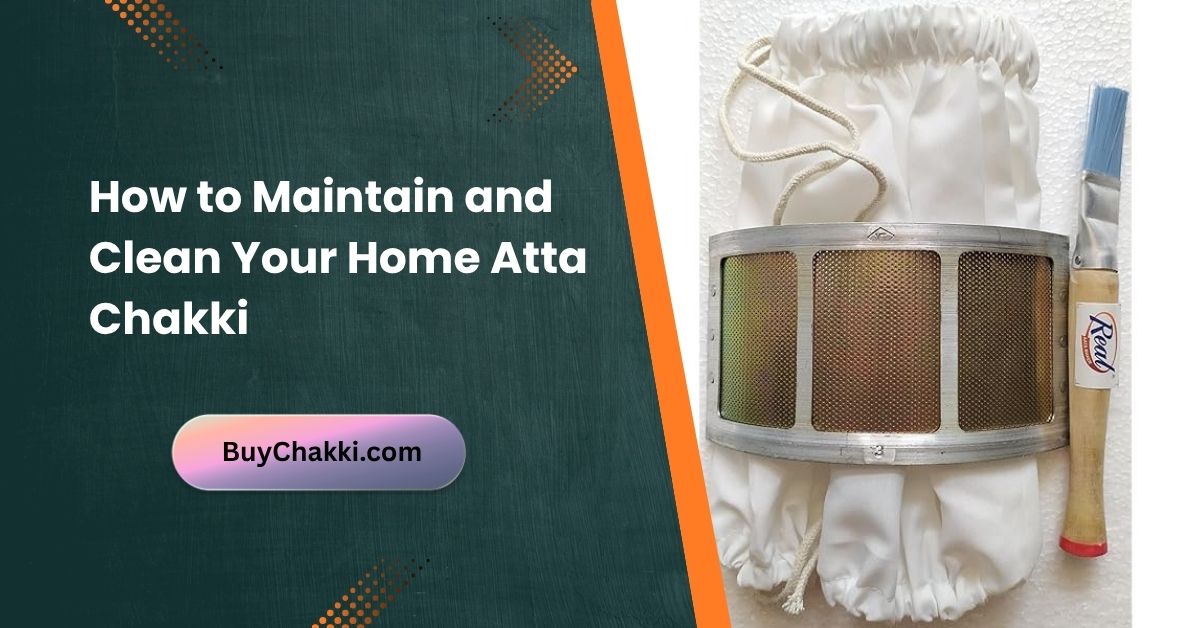
- Soft brush or grain cleaning brush
- Vacuum cleaner (optional but effective)
- Compressed air blower
- Screwdriver (for outer body inspection)
Step-by-Step Cleaning Guide
Step 1: Turn Off and Unplug the Machine
Safety first! Always turn off and unplug your atta chakki before cleaning. This prevents accidents, protects internal parts, and keeps you safe from electrical hazards.
Step 2: Empty the Hopper and Flour Container
Remove any leftover grains from the hopper. Clean the flour container using a dry cloth. Do not wash with water unless it’s a detachable stainless steel container.
Step 3: Remove and Clean the Grinding Chamber
Open the front door of the grinding chamber. Use a brush or soft cloth to gently wipe the grinding stones and chamber walls. In case of a stone-based machine, avoid using a wet cloth as it may damage the stone.
Step 4: Use a Vacuum or an Air Blower
Use a vacuum cleaner or compressed air blower to remove stuck flour particles and dust from tight areas. This is especially helpful for fully automatic atta chakkis.
Step 5: Check for Moisture and Mould
If your atta chakki is placed in a humid area like the kitchen, check for moisture buildup. Use a dry cloth and avoid water inside the machine to prevent rusting.
Step 6: Light Lubrication (If Required)
Some premium models may need mineral-based lubrication for smoother operation. Refer to your manual before applying any lubricant.
Step 7: Inspect Power Cord and Exterior
Check the power cable for cracks or damage. Clean the exterior using a slightly damp cloth to remove stains or flour marks.
Recommended Cleaning Frequency
| Cleaning Type | Frequency |
|---|---|
| Basic Chamber Cleaning | After every use |
| Vacuum Cleaning | Once a week |
| Full Maintenance Cleaning | Once a month |
| Deep Inspection | Every 6 months |
Best Tools and Products for Cleaning Atta Chakki
Here are some helpful tools and accessories to keep your atta chakki clean at home:
- Cleaning Brush Set – Buy on Amazon
- Air Blower Machine – Check Price
- Mini Vacuum Cleaner – Shop Now
Bonus Tips for Long-Term Maintenance
If you want to extend the life of your machine, follow these additional tips:
- Use dry, stone-free grains
- Do not overload the hopper
- Keep the machine away from humidity
- Check for unusual noise or vibration
- Refer to the manual before cleaning motor parts
When Should You Deep Clean or Service Your Atta Chakki?
If you notice reduced flour quality, slow grinding, or a burning smell during use, it’s time for a deep clean. In some cases, servicing is required. If you’re unsure whether to service, read our guide on Common Atta Chakki Problems and Fixes.
Best-selling Atta Chakkis That Require Low Maintenance
If you are planning to buy a low-maintenance flour mill, here are the top recommended models on Amazon:
- Natraj Viva Automatic Flour Mill – View Price
- Microactive Classic Flour Mill – Buy Now
- ShreejiFine Automatic Domestic Flour Mill – Check Amazon
Frequently Asked Questions (FAQ)
How often should I clean my atta chakki?
Basic cleaning should be done after every use, while deep cleaning is recommended once a month for better hygiene and performance.
Can I clean the grinding stones with water?
No, avoid using water on grinding stones, especially in stone-based machines, as it may cause damage or mould formation.
Which is better for cleaning – a blower or a vacuum cleaner?
Both are effective, but a blower is better for unreachable dusty corners inside the grinding chamber.
Why does my chakki make a loud noise after cleaning?
This may be due to improper stone alignment or loose chamber parts. Refer to your manual or seek servicing.
How do I prevent flour buildup inside the machine?
Use a brush after every use and perform weekly blower cleaning to prevent residue buildup.
Maintaining your atta chakki is simple and highly beneficial. With just a few minutes of cleaning and basic care, your machine can continue delivering fresh, healthy flour for years. Have questions? Explore more helpful guides like Atta Chakki for Home Use and How to Install an Atta Chakki at Home.